29 Jun 2026
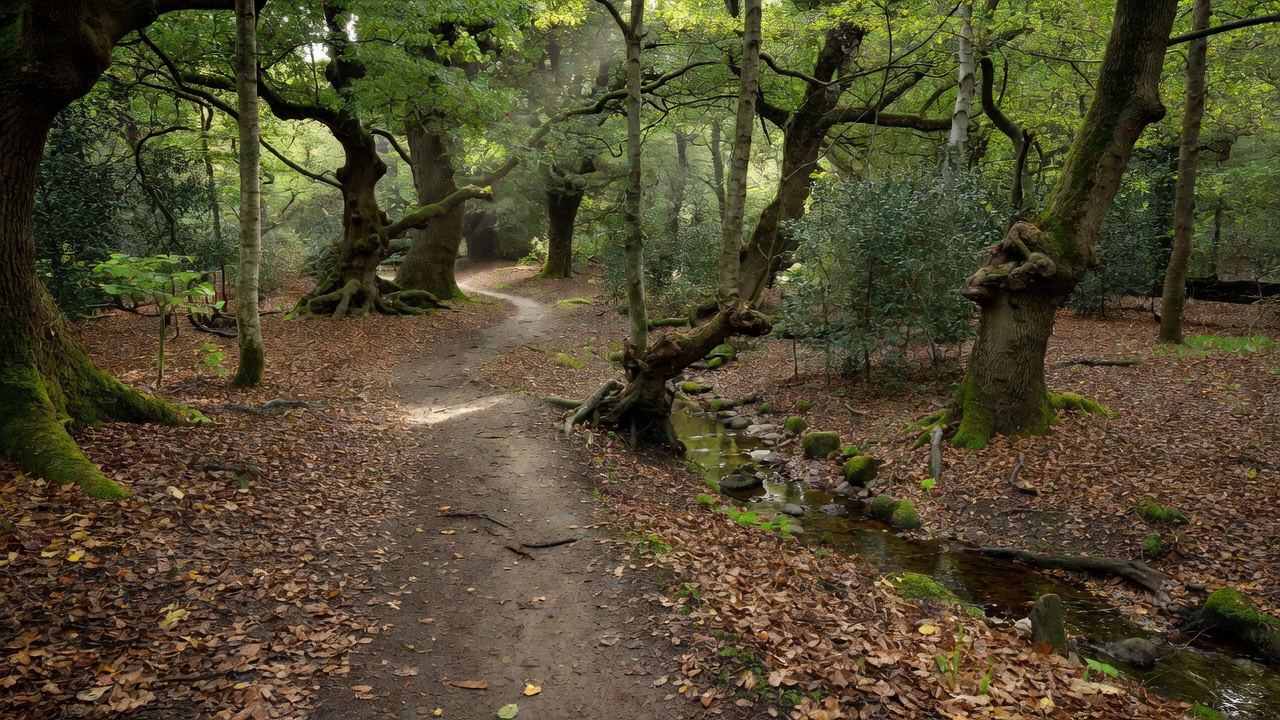
Flint Copse is an important woodland area that serves as a prime example of natural preservation in the local landscape. It offers a variety of experiences for visitors interested in the outdoors, from walking trails to observing seasonal changes in the environment. The copse has a rich history tied to the surrounding region and continues to be a focal point for ecological studies and recreational activities. Its accessibility makes it suitable for both casual visitors and dedicated researchers alike.
Understanding the Landscape
The terrain of Flint Copse features a mix of dense forest and open clearings that allow sunlight to reach the forest floor. This diversity in habitat supports numerous life forms and creates microclimates within the area. Soil types vary across the site, influencing the types of vegetation that thrive here. Water sources including small ponds contribute to the overall health of the ecosystem by providing hydration for plants and animals during dry periods. The gentle slopes and natural drainage patterns help prevent erosion while supporting a stable environment year round.
Biodiversity Highlights
Plant species in the copse include several varieties of deciduous trees alongside evergreen shrubs that maintain color throughout the year. Flowering plants attract insects and birds, creating a vibrant scene during warmer months. Animal residents range from small rodents to larger herbivores that graze in the meadows. Predatory birds circle overhead, maintaining the balance of the food chain. Conservation measures help protect these species from external threats such as invasive plants or human disturbance. Efforts by local organizations have included planting native species and monitoring populations to detect any declines early on.
Visiting Recommendations
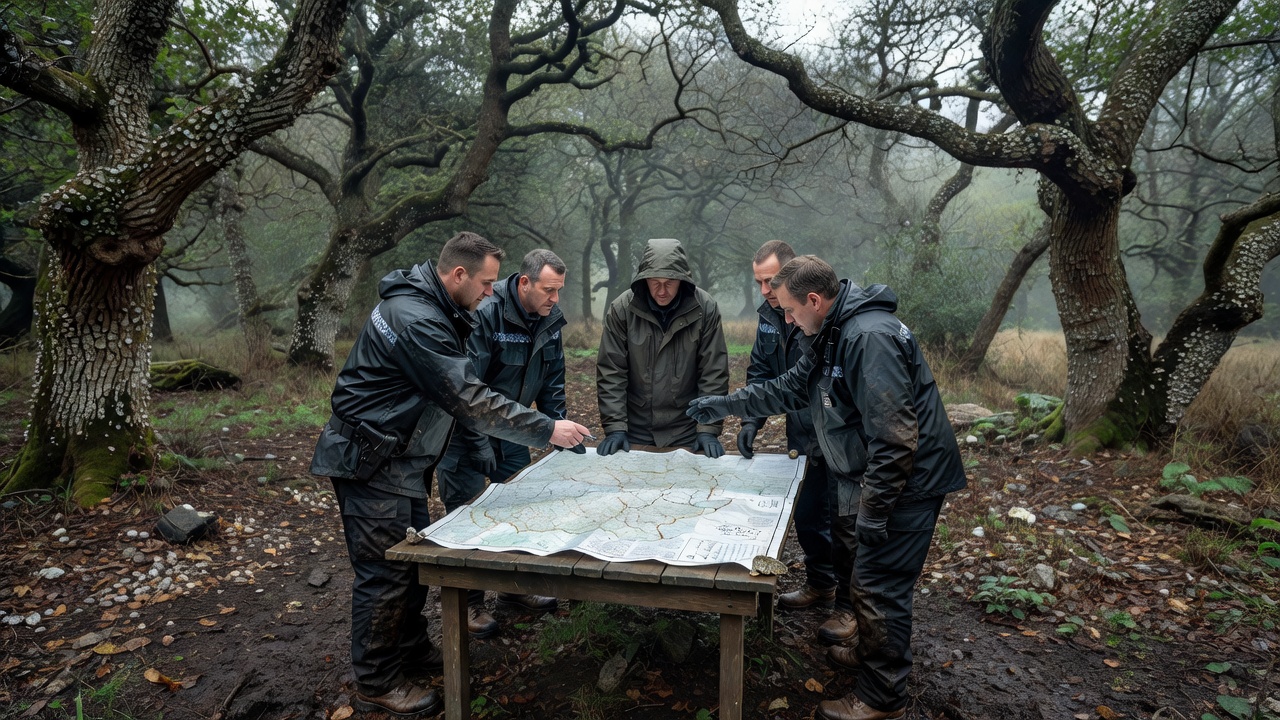
Preparation for a trip to Flint Copse should include checking weather conditions and packing appropriate supplies like water and snacks. Maps of the trail system are useful for navigation, and photography enthusiasts will find ample subjects in the natural scenery. Group visits benefit from guided tours that explain the significance of various features. Always follow leave no trace principles to ensure the site remains pristine for others. Seasonal awareness allows visitors to appreciate different aspects such as spring growth or autumn leaf fall.
Overall, Flint Copse stands as a testament to the value of maintaining natural spaces amid modern development pressures. Its continued protection ensures that educational and recreational benefits are available indefinitely.