8 Jun 2026
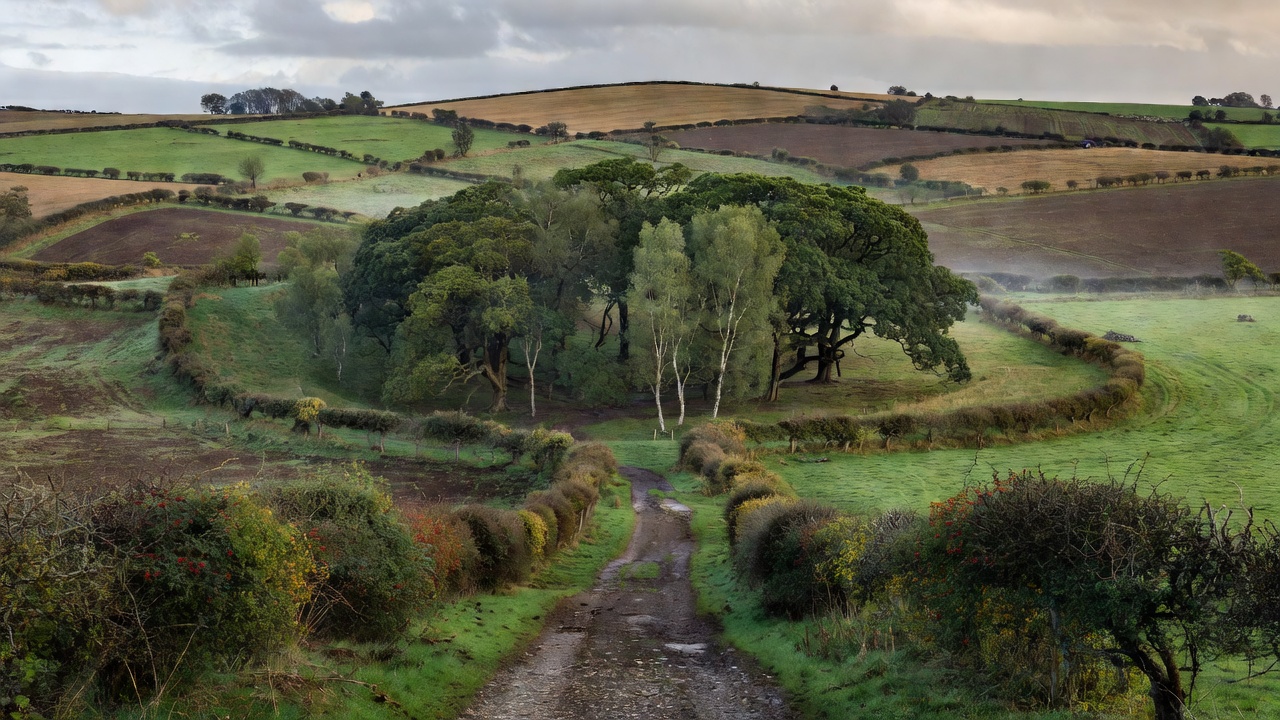
Flint Copse represents a compact woodland feature that fits naturally into the broader countryside patterns of southern England. Its boundaries follow gentle slopes and hedgerows that have remained largely unchanged for generations, offering a clear example of how small woods contribute to regional character.
Historical Layers Around the Copse
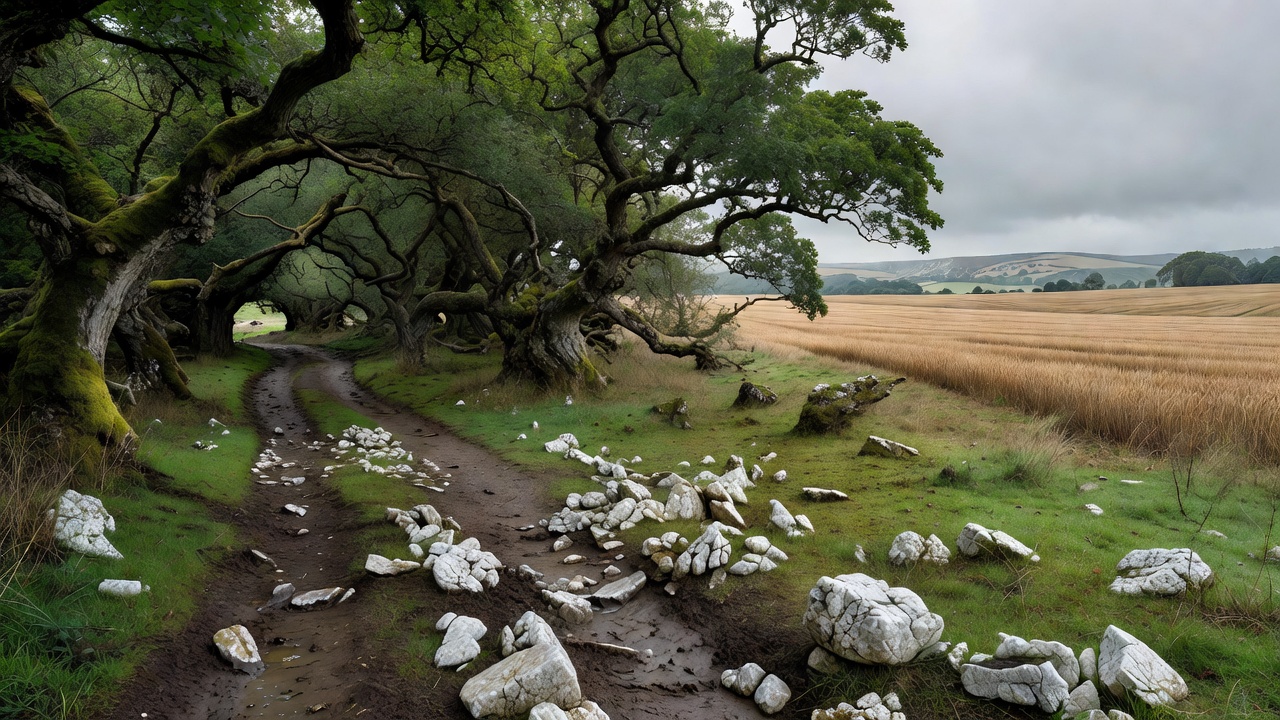
Records from the eighteenth century describe the area as a source of timber for local farms and as a marker along parish boundaries. Flint nodules gathered from nearby fields were once used in building materials, giving the copse its name. Over time the wood has served as a shelter for livestock during harsh weather and as a source of fuel during winter months. These practical roles shaped the way residents viewed the site long before modern conservation ideas emerged.
Archaeological surveys have identified faint earthworks along the eastern edge, possibly remnants of earlier field systems. The presence of these subtle features illustrates how the copse has sat at the intersection of agriculture and woodland management for centuries.
Ecological Role in the Surrounding Area
Within the copse, oak, ash and hazel form the main canopy, while bluebells and wood anemones carpet the floor in spring. The dense undergrowth provides cover for nesting birds and small mammals that move between the wood and adjacent farmland. This connectivity helps maintain populations that might otherwise decline in intensively farmed landscapes.
Seasonal changes affect the copse in predictable ways. Autumn leaf fall enriches the soil, supporting fungi that break down organic matter and recycle nutrients back into the trees. Winter brings greater visibility through the bare branches, revealing the structure of the wood and the paths that cross it.
Flint Copse Today
Current management focuses on maintaining a balance between public access and habitat protection. Well-marked trails allow visitors to observe seasonal wildlife without disturbing nesting sites. Local groups occasionally organise guided walks that highlight both the natural history and the practical uses the copse has served in the past.
The site continues to function as a reference point for studies of small woodland ecology. Researchers note that such pockets of trees play a measurable part in supporting pollinators and regulating local water flow after heavy rain. These functions remain relevant whether the surrounding land is used for crops, pasture or housing.
Flint Copse therefore stands as a modest yet instructive element within its wider setting, demonstrating how historical land use, ecological processes and present-day stewardship intersect in one defined area.