18 Oct 2026
Uncovering the Interconnected Web of Species That Call This Woodland Home
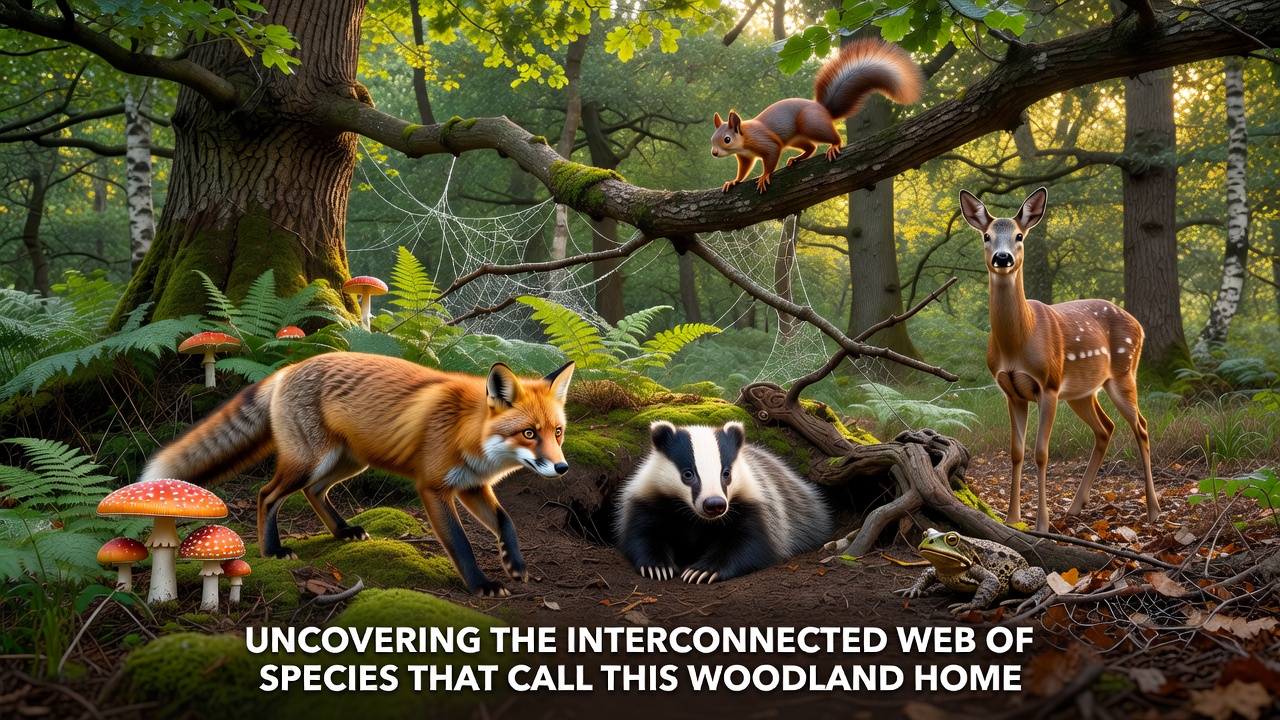
Woodland ecosystems function through intricate networks where trees form the structural base while supporting layers of fungi, insects, birds, and mammals that exchange nutrients, energy, and habitat resources in continuous cycles. In this particular woodland, oak and beech trees anchor the system by providing canopy cover that moderates temperature and moisture levels for ground-dwelling organisms, and their leaf litter supplies organic matter that decomposers break down into soil nutrients available for plant roots and microbial communities alike.
Plant and Fungal Foundations
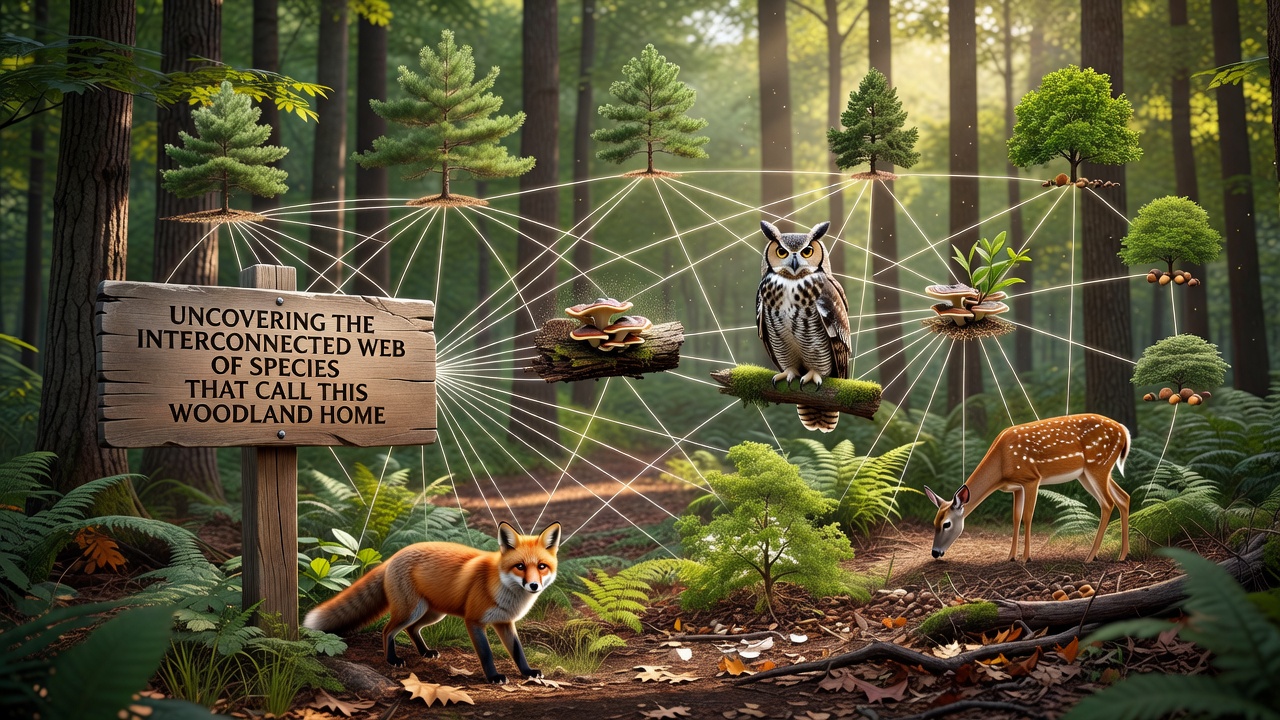
Researchers have documented how mycorrhizal fungi connect tree roots across wide areas, allowing nutrient sharing between species such as birch and hazel while protecting against soil pathogens through chemical signaling. These fungal networks expand during spring growth periods and persist through summer, creating underground pathways that sustain plant diversity even when surface conditions fluctuate. Data from long-term monitoring programs indicate that woodlands with robust fungal associations maintain higher plant species counts compared to fragmented sites where such connections have been disrupted.
Insect populations build on this base as pollinators and herbivores that transfer pollen between flowering plants and consume foliage in patterns that stimulate new growth. Beetles and ants further aerate soil and distribute seeds, linking the fungal and plant layers into a single operational unit rather than isolated components.
Animal Roles in the Network
Birds and small mammals extend these connections by foraging across vertical strata from canopy to forest floor. Species including woodpeckers and squirrels disperse seeds while controlling insect numbers, and their nesting activities create cavities that later house bats and invertebrates. Predatory birds such as owls close the loop by regulating rodent populations that otherwise overgraze seedlings and alter plant composition over successive seasons.
Studies conducted by the US Fish and Wildlife Service highlight how these predator-prey dynamics stabilize overall species abundance when habitat corridors remain intact. In parallel, research from European biodiversity projects shows comparable patterns in mixed deciduous woodlands where bird and mammal interactions maintain balance across trophic levels.
Seasonal Patterns and 2026 Observations
October brings noticeable shifts as deciduous trees drop leaves that enrich the litter layer and trigger increased fungal fruiting alongside invertebrate activity before winter dormancy. In October 2026, field records show heightened bird migration through the area with temporary spikes in seed dispersal rates that benefit understory regeneration. These autumn movements connect the woodland to broader regional networks as species carry genetic material and parasites between sites, influencing disease dynamics and genetic diversity over time.
Amphibians and reptiles follow moisture gradients during this period, moving toward damp microhabitats that fungi and detritivores also favor, thereby reinforcing the same resource pathways established earlier in the year. Monitoring equipment deployed by conservation groups captures these transitions through camera traps and soil sensors that log temperature and humidity changes driving the observed behaviors.
External Influences on Internal Webs
Climate variations and land-use changes around the woodland perimeter affect these internal connections by altering migration timing and resource availability. Data compiled by Australian Government environment agencies on comparable temperate systems demonstrates that even modest temperature increases can shift insect emergence ahead of bird breeding cycles, creating temporary mismatches that ripple through food webs. Similar observations in this woodland underscore the sensitivity of established networks to external pressures.
Restoration efforts that replant native shrubs and maintain deadwood volumes have proven effective at rebuilding broken links, allowing previously isolated populations to rejoin the larger system. These interventions rely on understanding existing connections rather than introducing new elements without reference to current species interactions.
Conclusion
The species web within this woodland operates as an integrated system where each component influences others through direct feeding relationships, indirect habitat modifications, and seasonal timing cues. Continued documentation of these patterns supports management decisions that preserve connectivity across plant, fungal, and animal groups, ensuring the network remains functional under changing conditions.