20 May 2026
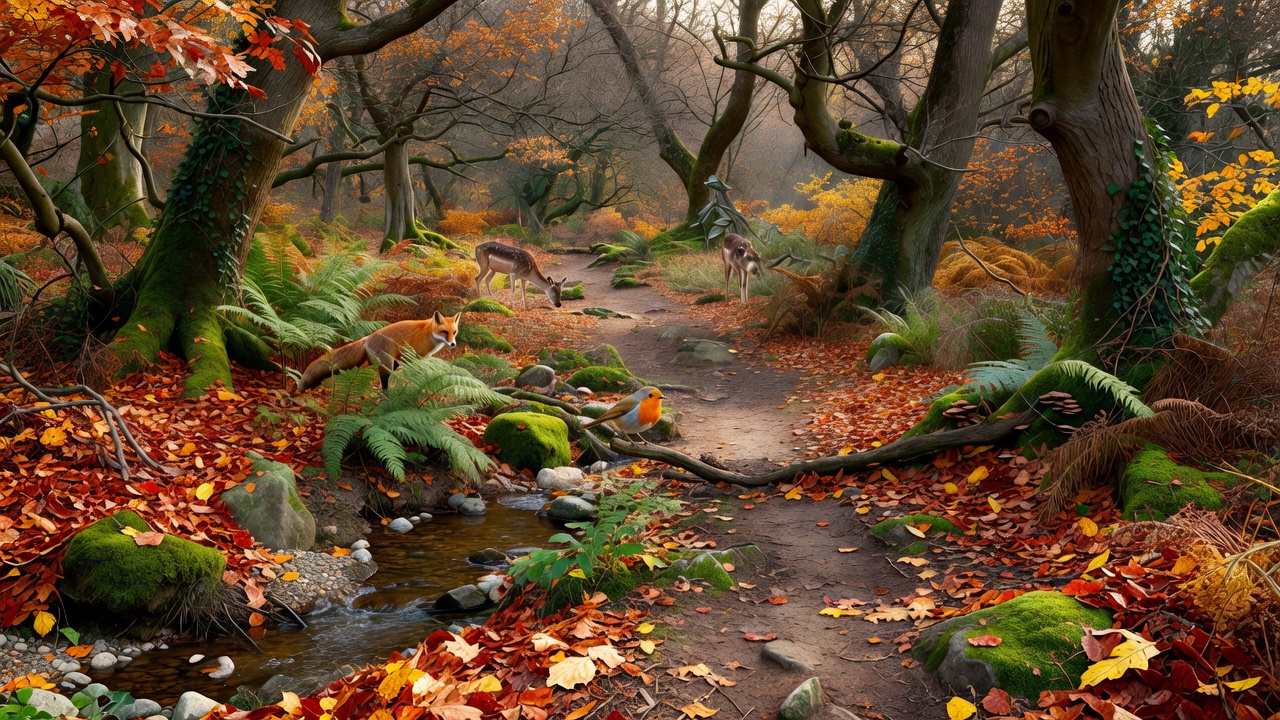
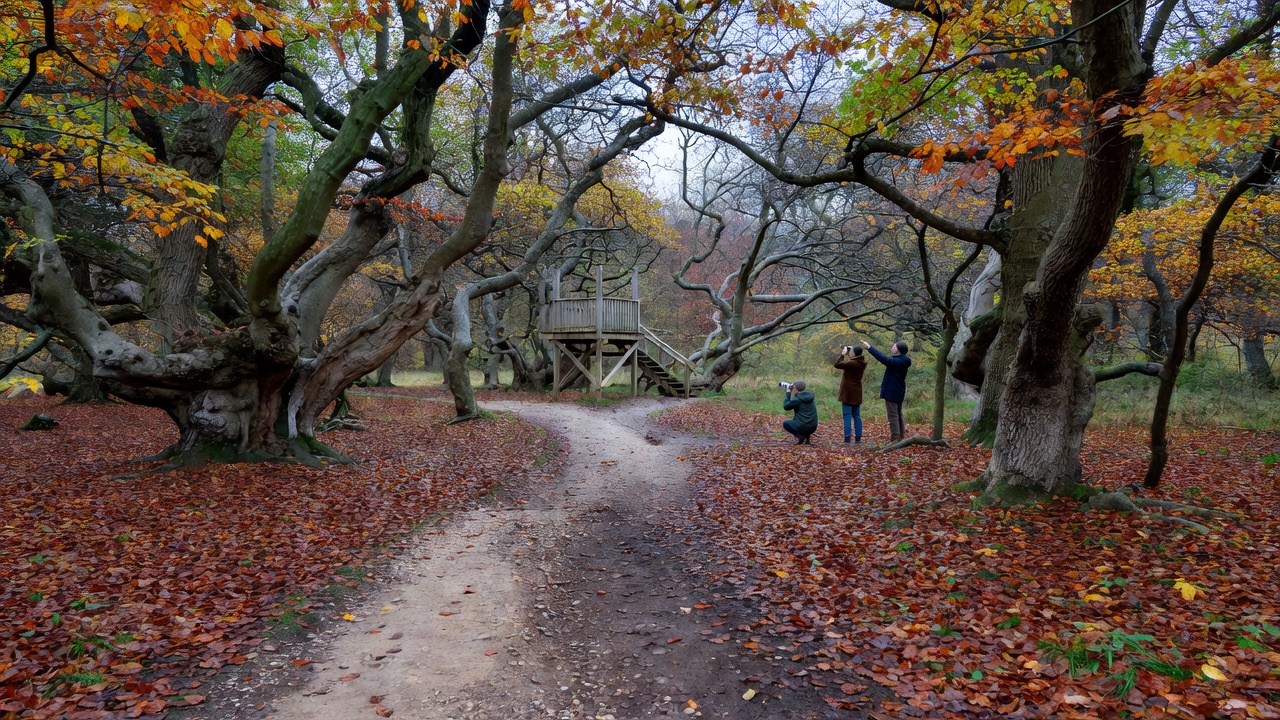
Flint Copse provides a peaceful woodland setting where visitors can observe a variety of natural elements throughout the seasons. The area supports diverse wildlife and plant life making it suitable for those interested in quiet viewing. Careful observation reveals patterns in animal behavior and seasonal shifts that change with weather and time of year. Bringing basic equipment such as binoculars and wearing neutral clothing helps minimize disturbance while allowing closer views of activity.
Birds Commonly Seen in Flint Copse
Spring sees the return of several migratory songbirds that nest in the canopy and undergrowth. Robins and blackbirds forage actively on the forest floor while warblers fill the air with calls from higher branches. Summer offers chances to spot woodpeckers drumming on mature trees and finches feeding on seeds. Autumn attracts flocks of thrushes that strip berries from shrubs before migration. In winter resident species such as tits and nuthatches remain visible as they search for insects in bark crevices. Quiet movement along established paths increases the likelihood of sustained sightings without causing alarm.
Mammals and Insects to Look For
Small mammals including squirrels and voles appear regularly during daylight hours gathering food or moving between cover. Deer may venture into clearer glades at dawn or dusk when human presence is lower. Insects such as butterflies and beetles become prominent in warmer periods around flowering plants and decaying wood. Watching these requires awareness of peak activity times and avoiding sudden movements. Recording observations in a notebook helps track recurring patterns across multiple visits and contributes to a better understanding of local ecology.
Seasonal Changes and Plant Observations
Vegetation transforms noticeably each season offering fresh points of interest. Spring brings emerging buds and early blossoms on native shrubs while summer produces dense green cover. Autumn displays turning leaves in shades of orange and red before they fall. Winter reveals the skeletal structure of trees and patches of evergreen foliage. Noting these transitions provides insight into the copse ecosystem and its response to changing conditions. Staying on marked trails protects delicate plants and ensures continued access for all observers.